How the Original Works — and How to Spot It
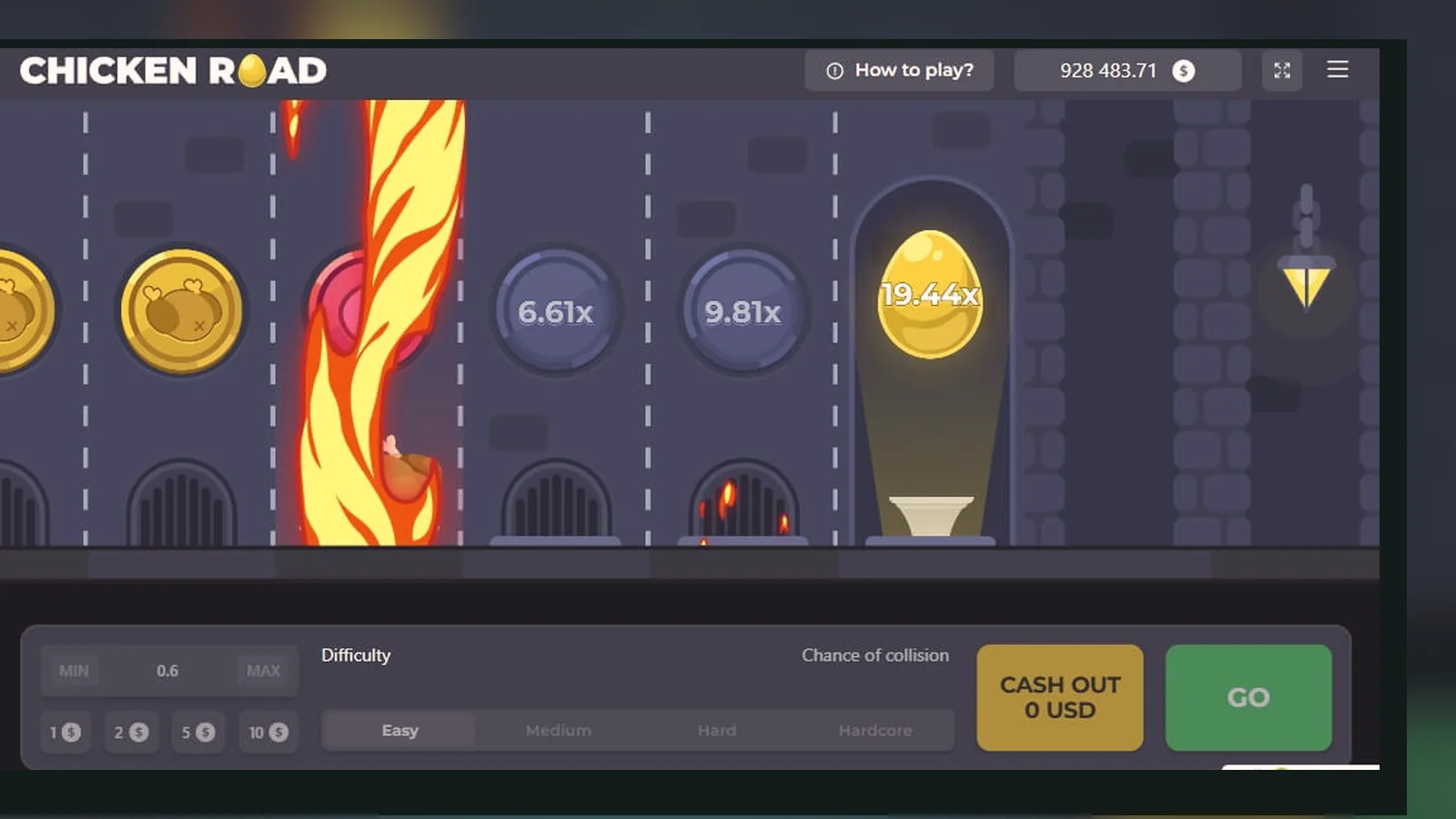
The original Chicken Road 2 comes from BGaming, a provider with certificates from accredited test labs. If you're playing on a UKGC-licensed site in the UK, the game runs under the operator's remote licence — check the footer for the licence number and match it in the UKGC public register.
This page answers the questions support teams hear most: who built it, how a round actually works, what the real numbers are, which clones circulate, and how to confirm in ten seconds that you're on the original.
Who Made It and How It's Certified
BGaming developed Chicken Road 2. The studio holds certificates from iTech Labs and Gaming Laboratories International (GLI) — both are ISO/IEC 17025 accredited test houses that verify the random number generator and payout logic.
In the UK, the operator holds the UKGC remote licence, not the game studio. Every site serving British players needs that licence, and the number sits in the footer. If the site doesn't appear in the UKGC register or the licence number is missing, it's illegal to offer gambling here. The game itself carries the lab certificates, but the legal responsibility is with the operator.
BGaming's certification means the RNG was tested for randomness, the return-to-player percentage matches the published figure, and the game behaves as documented. It doesn't mean you'll win — it means the outcome of each round is independent and the maths is transparent.
How a Round Works from Your Seat
You choose a stake — on UKGC sites, that's capped at £5.00 per spin, or £2.00 if you're aged 18 to 24 — and pick a difficulty level: easy, medium, or hard. The difficulty changes the number of bones (hazards) hidden under the tiles and the multiplier you earn for each safe step.
- Place your stake and select difficulty.
- The chicken starts at the bottom of a grid. Click a tile in the row above.
- If the tile is safe, the chicken moves forward and your multiplier increases. If it's a bone, the round ends and the stake is lost.
- After each safe step, you can cash out at the current multiplier or continue. The multiplier grows faster on harder levels because more tiles are dangerous.
- The round ends when you cash out, hit a bone, or reach the top row and collect the maximum multiplier for that difficulty.
The RNG determines which tiles are safe before you make the first click. Your choices reveal the outcome; they don't create it. That's how provably fair systems work — the result is committed before you interact, so neither you nor the server can influence it mid-round.
The Real Numbers from the Tech Sheet
The £5.00 cap is a UKGC requirement for online slots and similar games. If you're 18 to 24, the cap drops to £2.00. The operator's system enforces this automatically based on the age you provided during registration and verification.
The 10,000× maximum means a £5.00 stake can return £50,000.00 if you reach the top row on hard mode and cash out. In practice, the climb is long and the risk high — most rounds end before the final row. The RTP of 97% is the long-run average; short sessions swing above or below that figure.
Mechanics Level by Level
Each difficulty mode changes two things: the number of bones per row and the multiplier step when you find a safe tile.
| Difficulty | Bones per Row | Multiplier per Step | Max Multiplier |
|---|---|---|---|
| Easy | 1 | ~1.2× | ~10× |
| Medium | 2 | ~1.5× | ~100× |
| Hard | 3 | ~2× | 10,000× |
On easy, four out of five tiles are safe in every row, so you'll usually advance a few steps before hitting a bone. The multiplier grows slowly because the risk is low. On hard, only two tiles are safe per row, and the multiplier climbs faster — but most rounds end in the first three rows.
The cash-out button is live after the first safe step. If you wait until the final row, you're chasing the 10,000× cap, but the probability of ten consecutive safe picks on hard mode is under 0.01%. That's why the payout is so large — it almost never happens.
The game doesn't remember previous rounds. A losing streak doesn't make the next round safer, and a win doesn't make the next round riskier. Each round is independent because the RNG seeds a new grid every time you place a stake.
Clones, Counterfeits, and the Ten-Second Check
Several clones circulate under names like Chicken Cross, Chicken Run, and Road Crossing. Some are reskins with similar mechanics but different maths. Others are counterfeits — unauthorised copies of the BGaming game running on unlicensed sites with no lab certificate and no regulator.
The differences that matter: clones often use a different RTP, a different max win, or a different grid size. Some add features like a bonus buy or auto-play, which the original doesn't have. Counterfeits may look identical but run on a server that isn't audited, so you have no way to verify the fairness or the payout percentage.
- Check the provider name in the game info screen — it should say BGaming.
- Look for the UKGC licence number in the site footer and confirm it in the UKGC public register.
- If the site doesn't ask for age and identity verification before you deposit, it's not compliant and likely unlicensed.
- If the game offers features not listed here — bonus rounds, free spins, or a different grid — it's a clone or counterfeit.
Ten-second check: open the game, click the info or settings icon, and read the provider name. If it says BGaming and the site has a UKGC licence in the footer, it's the original. If either is missing, it's not.
FAQ
Can I play the original Chicken Road 2 for free in the UK?
Demo play is common on UKGC-licensed sites, but many operators only show free play to logged-in, age-verified accounts. You'll need to register and pass the age check — usually uploading a photo ID or using an electronic verification service — before you can access the demo. If a site offers instant demo play with no checks, it's probably unlicensed.
What happens if I win more than I can afford to withdraw?
The first withdrawal always takes longer because the operator must verify your identity and payment method — 24 to 48 hours is normal. If you win a large amount, the operator may ask for additional documents to prove the funds are affordable, especially if you've deposited over £150 net in a month. This is a UKGC requirement to prevent money laundering and problem gambling. E-wallets are fastest for subsequent withdrawals — a few hours to 24 hours — while Faster Payments to a bank takes same day to two working days.
Why can't I use my credit card to deposit?
Credit cards have been banned for gambling in the UK since April 2020. You can use a debit card, PayPal, Apple Pay, Open Banking via Trustly, or paysafecard. The payment method must be in your own name — joint accounts and third-party payments are rejected because the UKGC requires the operator to know whose money is being gambled.
If I keep losing, does the game owe me a win?
No. Each round is independent. The RNG doesn't track your balance or your losing streak, and it doesn't compensate. The 97% RTP is a long-run average across millions of rounds, not a guarantee for your session. If you hit a losing streak, the maths hasn't broken — you're experiencing the volatility that's built into the game. If gambling is affecting your finances or mental health, register with GAMSTOP to block access to all UKGC-licensed sites for six months to five years, or contact BeGambleAware for free support.