Demo Mode: What You Actually Get to Test
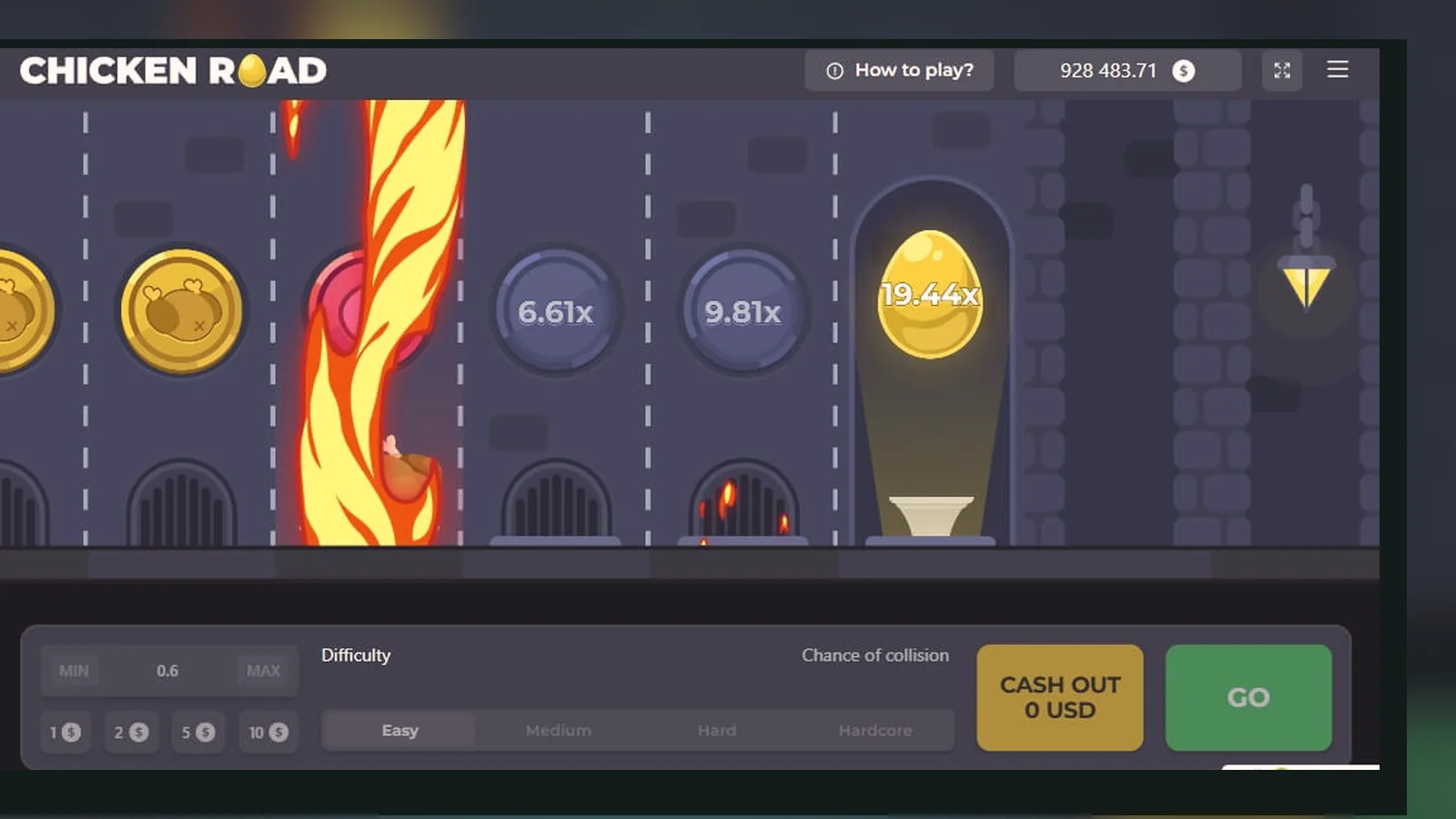
Chicken Road 2 lets you bet from £0.10 to £100 per round — and most UKGC-licensed sites will let you try that range in demo mode before you deposit. The catch: free play is almost never anonymous any more. You will still create an account and verify your age, but you skip the payment step and the KYC documents until you want to withdraw real winnings.
This page answers the support-desk questions that come up most: where the demo actually runs, what numbers carry over to real money, what the demo hides, and the lowest-risk route from free chips to a first real bet. Everything here reflects the UK market as of late 2026, including the £5 stake cap that applies the moment you switch to real funds.
Where You Play the Demo and Why Registration Still Happens
A few years ago you could open a demo slot in your browser without logging in. That has changed: the UK Gambling Commission now expects every operator to age-verify visitors before showing gambling content, even in free mode. The result is that Chicken Road 2 demo sessions sit behind a registration wall on most licensed sites.
The sign-up is lighter than a full deposit flow — you give an email, create a password, and confirm your date of birth — but the operator will cross-reference your details against credit-reference agencies to confirm you are over 18. The check takes seconds if your name and address match the electoral roll; it can take a few minutes if the data is ambiguous. Once you are through, the site issues a balance of virtual chips — usually between £1,000 and £5,000 — and you can load the game.
The demo runs in the same client as the real-money version: the same grid, the same bet slider from £0.10 to £100, the same paytable and RTP. The difference is that wins and losses move pretend currency. If you run out of demo chips, a refresh of the page tops you back up to the starting amount. No session is saved, so every reload is a clean slate.
What a Demo Session Shows — and What It Does Not
When you open Chicken Road 2 in demo mode, the interface looks identical to the real-money game. You set your stake with the same slider, watch the multiplier climb at the same pace, and cash out with the same button. The RNG is the same server-side implementation, so the distribution of outcomes you see in free play matches what you would see with real funds — long term.
Short-term variance, however, is a different story. Because each session starts with a fixed pot of demo chips and resets on refresh, you never experience the budget management that matters in real play. Running through £1,000 in ten minutes and reloading feels trivial; doing the same with your own money is a lesson in volatility. The demo gives you a feel for the pace and the multiplier range, but it cannot replicate the emotional weight of a losing streak when the balance is real.
The demo also hides the entire withdrawal side of the product. You will not see KYC document requests, you will not wait 24 to 48 hours for verification, and you will not encounter the payment-method restrictions that UK players face — no credit cards since the 2020 ban, and every payout must go to an account in your own name. Bonus offers are invisible in demo mode, which means you miss the x30 or x40 wagering requirements that attach to free spins or deposit matches.
- Bet range: £0.10 to £100, same as real money, but remember the £5 cap per spin applies the moment you deposit (£2 if you are 18 to 24).
- RTP and volatility: identical to the real-money game, so the hit frequency and multiplier distribution are accurate over thousands of rounds.
- Pace: the demo runs at the same speed, so you can judge how many rounds fit into a session and how quickly a balance moves.
- Affordability: the demo balance resets endlessly, so it will not teach you to stop at a loss limit or recognise when a session is going badly.
Demo on Mobile: Browser or App?
Chicken Road 2 is a web-based game, so it loads in any modern mobile browser — Safari on iOS, Chrome on Android — without an install. Most UKGC operators serve the demo through the same responsive site you use on desktop, which means you create your account in the browser, verify your age, and tap the demo button. The game scales to fit your screen, and touch controls replace mouse clicks for the bet slider and cash-out button.
A few operators also offer native apps on the App Store and Google Play, and those apps usually include demo modes for the full game library. The advantage of an app is offline availability of the interface (though the game itself still needs a connection to the RNG server) and a slightly smoother install-to-home-screen experience. The disadvantage is that you are locked into one operator: if you want to compare welcome offers or check a second site, you are back in the browser anyway.
Google Play and the App Store both allow real-money gambling apps from UKGC-licensed operators, but crash games like Chicken Road 2 are more common as progressive web apps — a browser bookmark that behaves like a standalone icon — than as packaged APKs. If you see an APK download link outside the official stores, treat it with suspicion: unlicensed sites sometimes distribute modified clients to bypass app-store compliance, and those builds will not carry a valid UKGC licence.
Switching to Real Money: The Lowest-Risk Path
Once you have spent time in the demo and you understand the pace, volatility, and bet range, the next decision is whether to deposit. The lowest-risk route is to start with the smallest stake the game allows — £0.10 — and a deposit that matches your entertainment budget, not your optimism about a winning streak. On a UKGC site, your first deposit triggers the affordability process: if your net deposits over a month cross £150, the operator will run a soft credit check and may ask for proof of income if the pattern suggests risk.
Payment methods in the UK are limited to debit cards, PayPal, Apple Pay, Open Banking (Trustly), and prepaid vouchers like paysafecard. Credit cards have been banned for gambling since April 2020, and any deposit must come from an account in your own name — a joint account is fine if your name is on it, but a friend's card or a business account will be rejected. The first deposit usually clears instantly, but the first withdrawal is slower: the operator will ask for photo ID, proof of address, and sometimes a selfie with your document before releasing funds. Budget 24 to 48 hours for that verification, and another one to three working days for the money to reach your bank via Faster Payments.
If you claim a welcome bonus, read the terms before you accept. Most deposit bonuses come with wagering requirements of x30 to x40, which means you must turn over the bonus amount (and sometimes the deposit as well) that many times before you can withdraw. A £10 bonus with x35 wagering requires £350 of total bets, win or lose. Chicken Road 2 usually contributes 100 per cent to wagering because it is an RNG game, but always check the operator's bonus policy — some sites cap crash-game contributions at 50 per cent or exclude them entirely.
- Choose a UKGC-licensed operator: look for the licence number in the footer and cross-check it in the Commission's public register.
- Deposit the smallest practical amount — £10 or £20 — using a debit card or e-wallet in your own name.
- Set a deposit limit in your account settings before you start; UKGC sites are required to offer this, and it applies immediately.
- Stick to the £0.10 or £0.20 stake for your first session so you can see 50 to 100 rounds without burning through your balance in minutes.
- Prepare your ID and a utility bill now, because you will need them before your first withdrawal.
Questions Players Ask Support Most Often
These are the four questions that come up in live chat and email tickets more than any others. The answers reflect how the demo actually works on UK-licensed sites, not the idealised version that marketing pages sometimes describe.
FAQ
Do I need to register and verify my age just to try the demo?
Yes, on almost every UKGC-licensed site. The regulator expects operators to confirm you are over 18 before you see any gambling content, even in free mode. You will create an account with an email and password, and the site will cross-reference your name and date of birth against credit agencies to verify your age. The process takes a few seconds if your details are on the electoral roll. Once verified, you get a balance of virtual chips and can load the game. A handful of smaller sites still offer guest demos, but that is rare — and you should check the licence number in the footer before trusting any operator that skips age checks.
Can I play the demo on my phone, and is there an app?
Yes, the demo works in any mobile browser — Safari, Chrome, Firefox — without an install. A few UKGC operators also offer apps on the App Store or Google Play, and those apps usually include demo modes for the full library. Chicken Road 2 is more commonly delivered as a progressive web app (a browser bookmark that feels like a standalone icon) than as a packaged APK. If you see an APK download outside the official stores, be cautious: unlicensed sites sometimes distribute modified clients to bypass compliance, and those will not carry a valid UK licence.
If I win £500 in demo mode, can I keep it?
No. Demo chips have no cash value and cannot be withdrawn. Every win and loss in the demo moves pretend currency. If you run out of chips, refreshing the page tops you back up to the starting balance — usually £1,000 to £5,000 — so there is no consequence to losing and no reward for winning. The demo shows you the game's pace, volatility, and multiplier range, but it does not replicate the experience of managing a real bankroll or waiting for a withdrawal to clear.
What is the lowest-risk way to switch from demo to real money?
Deposit the smallest amount you can spare — £10 or £20 — and set a deposit limit in your account settings before you play. Stick to the minimum stake of £0.10 or £0.20 for your first session so you can see 50 to 100 rounds without burning through your balance in minutes. Use a debit card, PayPal, or Open Banking in your own name (credit cards are banned for gambling in the UK). Prepare your photo ID and a utility bill now, because you will need to upload them before your first withdrawal. Budget 24 to 48 hours for document verification and one to three working days for the payout to reach your bank. If you claim a welcome bonus, check the wagering requirement — usually x30 to x40 — and read the terms before you accept, because bonus funds come with playthrough conditions that delay withdrawals.